
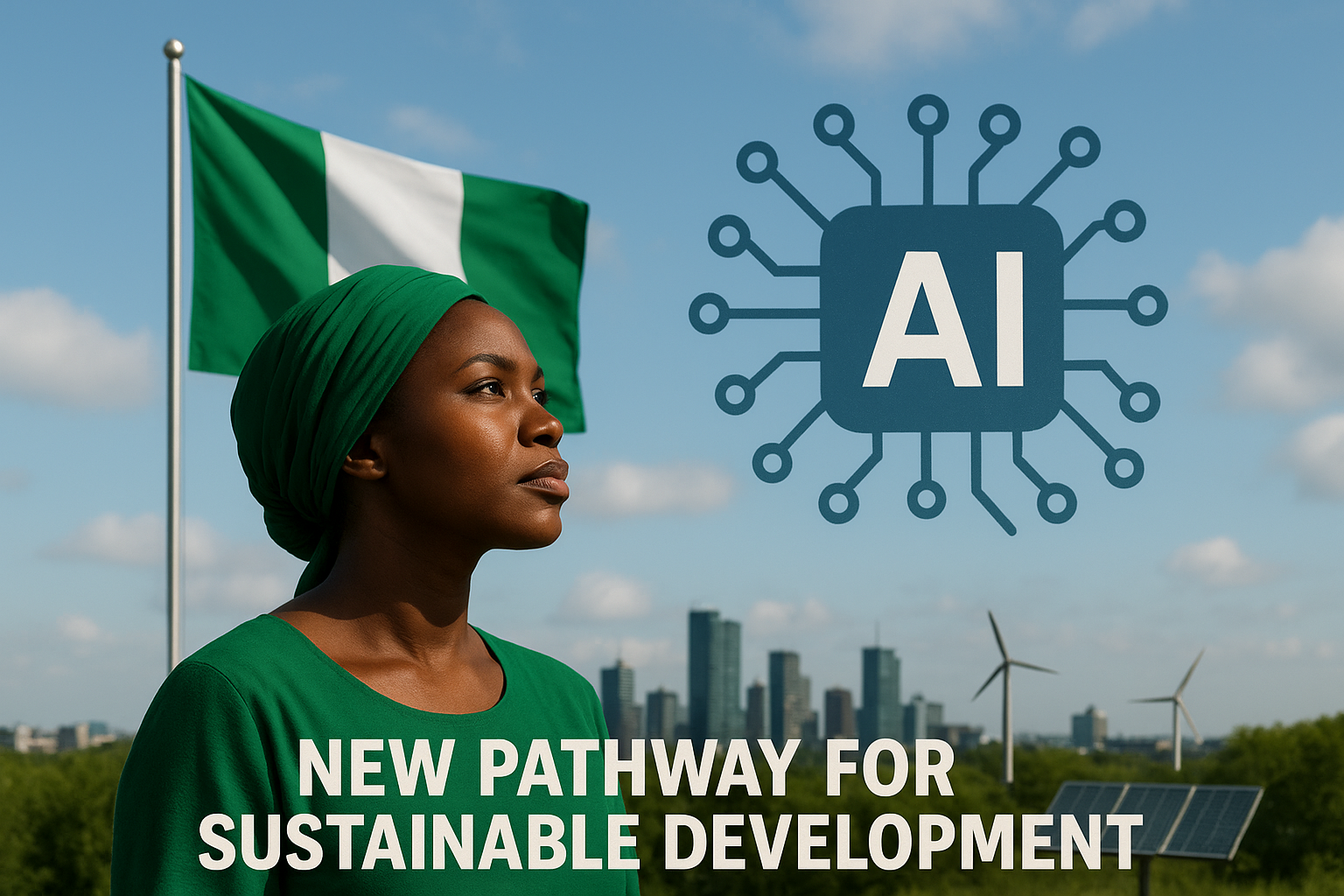
As the green and white flag flies high on this Independence Day, marking 65 years of sovereignty, it is a time not only for celebration but also for reflection and renewed commitment. The journey since 1960 has been one of immense potential and profound challenges. This anniversary offers a pivotal moment to ask: what will define the next chapter of our nation?
Nigeria stands at a pivotal moment in its history. As a nation teeming with vibrant human capital and abundant natural resources, the quest for sustainable development is more urgent than ever. The challenges are well-known: a volatile economy, an agricultural sector yearning for modernization, an educational system in need of reinvention, and the profound environmental and economic paradox of its crude oil wealth. Layer onto this the escalating threats of climate change, seen in devastating annual floods, and a transportation network struggling to keep pace with urbanization. In the face of such complexity, a new, powerful tool is emerging that could redefine Nigeria's developmental trajectory - Artificial Intelligence. Far from being a futuristic fantasy, AI offers practical, scalable solutions to weave sustainability into the very fabric of the nation.
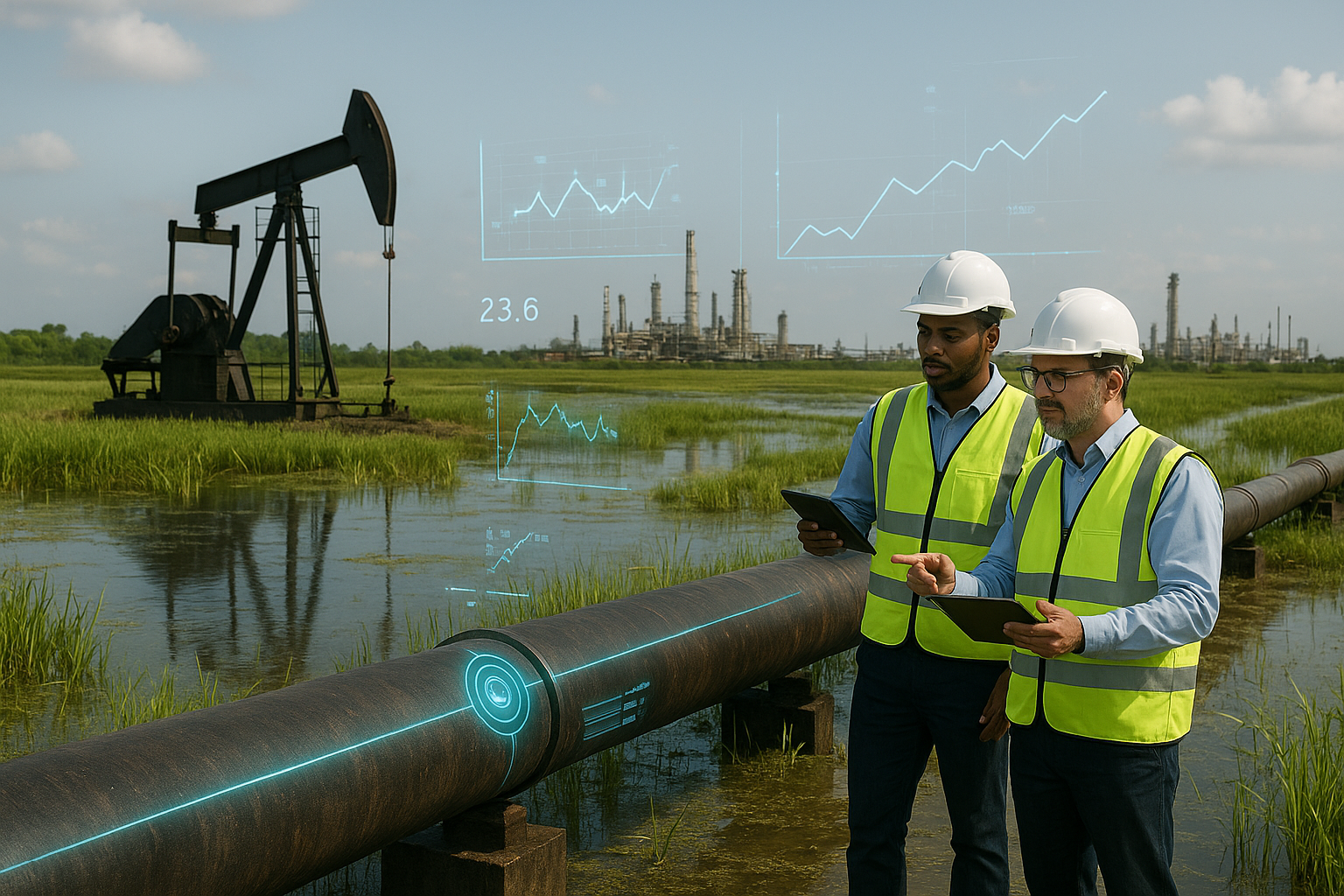
Modernizing Nigeria's oil sector with AI-powered monitoring
The journey begins with the economy and its most dominant sector: crude oil. For decades, the nation's fortunes have been tied to the volatile price of oil, a model that is economically and environmentally unsustainable. AI can revolutionize this sector from within while helping to pivot away from it. Within the Niger Delta, AI-powered sensors and predictive analytics can monitor pipeline integrity in real-time, drastically reducing the catastrophic incidents of spills and gas flaring that poison the environment. These same data analytics can optimize extraction processes, maximizing efficiency and minimizing waste. More importantly, AI can analyze global market trends, renewable energy shifts, and domestic economic data to help policymakers model and navigate a strategic, gradual transition towards a post-oil economy, identifying new growth sectors before the wells run dry.
This transition is deeply linked to the oldest sector of all: agriculture. As the largest employer of labour, modernizing agriculture is not just about food security but about national stability. AI brings the promise of precision farming to Nigeria's vast arable lands. Imagine smallholder farmers receiving SMS alerts on their basic phones, generated by AI models that have analyzed satellite imagery and weather data, warning of an impending pest outbreak or advising on the optimal day for planting. Drones can survey large plantations, identifying areas lacking nutrients or water, allowing for targeted intervention that saves resources and boosts yields. This data-driven approach builds resilience, ensuring that the backbone of the Nigerian economy can withstand the shocks of a changing climate.
And the climate is indeed changing. The increasing frequency and intensity of floods, which annually displace thousands and destroy farmlands, is a stark reminder of this new reality. Here, AI becomes a tool for national preservation. Machine learning models can process decades of rainfall data, satellite images of river basin swellings, and soil saturation levels to predict flood events with remarkable accuracy and lead time. This is not just forecasting; it is actionable intelligence. Such systems can generate precise early warnings, indicating not just that a flood will happen, but which specific local government areas and communities are at highest risk, enabling pre-emptive evacuation and the strategic placement of resources. This moves the national response from reactive disaster management to proactive risk mitigation, saving lives and livelihoods.
To build this resilient future, we must first build the minds that will create it, which leads us to the cornerstone of any sustainable development: education. The Nigerian educational system can leapfrog traditional challenges by integrating AI. Personalized learning platforms can adapt to a student's individual pace and understanding, offering extra support in challenging subjects like mathematics and science, thereby improving foundational knowledge. For older students and graduates, AI-driven platforms can analyze the evolving job market, identifying skill gaps in the green economy and recommending tailored courses in areas like data science, renewable energy engineering, and environmental management. This creates a virtuous cycle, where education directly feeds into a skilled workforce ready to build and maintain a sustainable Nigeria.
Finally, the chaos of urban transportation in cities like Lagos and Abuja represents both a symptom of unsustainable growth and an opportunity for transformation. AI-powered intelligent traffic management systems can analyze real-time traffic flow data from cameras and sensors to dynamically control signal lights, easing the suffocating congestion that wastes fuel, time, and contributes significantly to air pollution. Furthermore, AI can optimize the planning and scheduling of public transportation, making it a more reliable and efficient alternative to private car use. By creating smarter, more fluid mobility networks, Nigeria can reduce its carbon footprint, improve productivity, and enhance the quality of life for its citizens.
The Way Forward
The path to a sustainable Nigeria is undoubtedly complex, but it is no longer a path we must walk with old maps alone. Artificial Intelligence offers a dynamic compass, one that can process the overwhelming complexity of our challenges - from the oil fields to the farmlands, from the classrooms to the flooded plains - and illuminate a clearer way forward. The task ahead is not just technological; it requires political will, ethical frameworks, and massive investment in digital infrastructure. Yet, by embracing AI as a partner in progress, Nigeria can harness its legendary spirit of innovation to forge a future that is not only prosperous but also equitable, resilient, and truly sustainable for generations to come.