
Every business, regardless of its size or industry, is constantly engaged in one fundamental exercise: optimization. At its core, optimization is beautifully simple—we are either trying to minimize something or maximize something. Every company across the globe, whether consciously or not, operates between these two poles: minimizing business costs on one hand, and maximizing revenue on the other.
But here's the uncomfortable truth: most businesses settle for less than they should.
The Trap of Suboptimal Strategies
If a company employs a strategy that reduces its operational costs or increases its total revenue, yet a better approach exists that could optimize further, that strategy is, by definition, a suboptimal strategy. It is not the best strategy—it is simply a strategy that works.
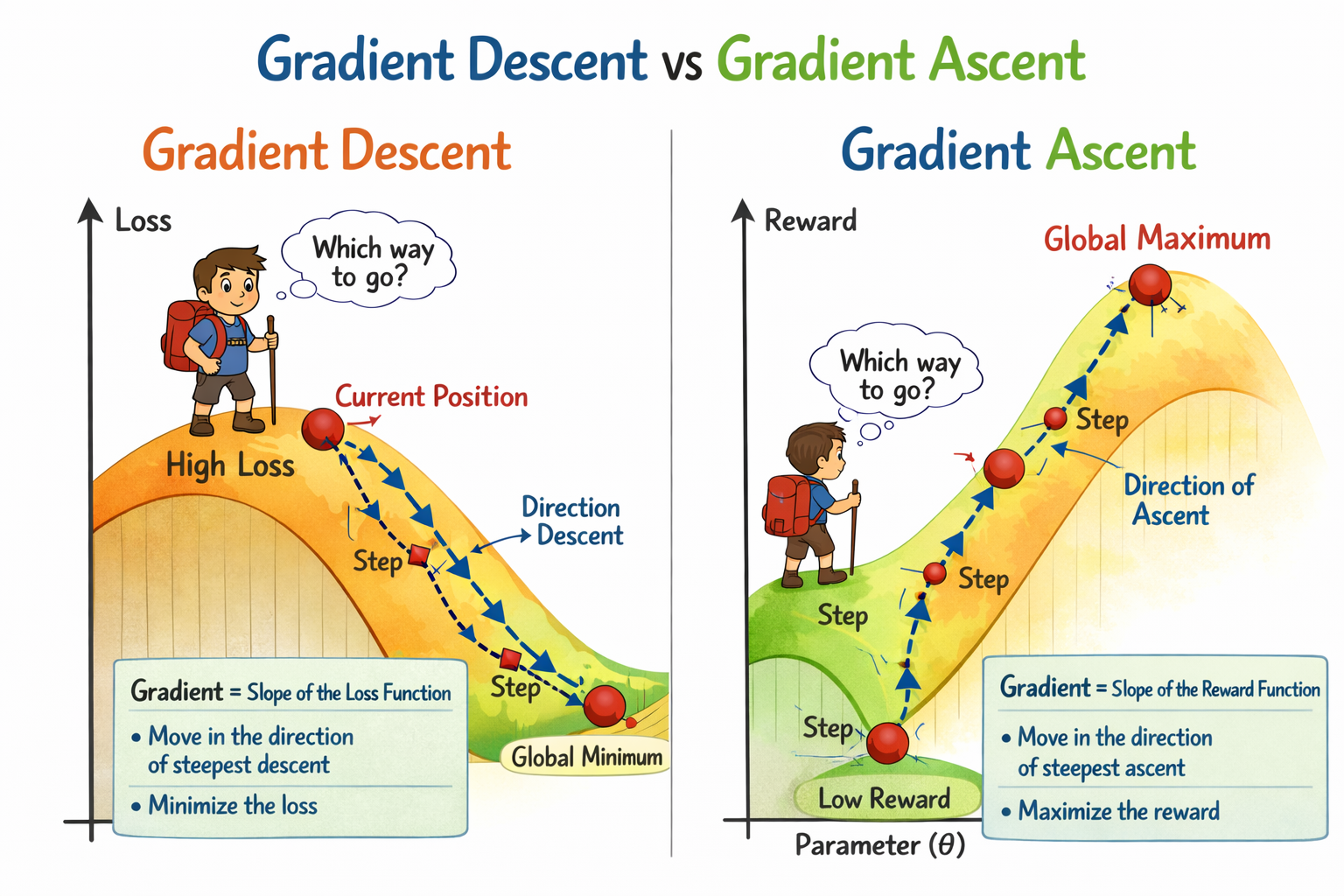
And this is where many businesses quietly drift into complacency. Most companies go to bed peacefully once the difference between their total revenue and total cost yields a "reasonable" positive figure. The numbers are in the green, so the thinking stops. But is "reasonable" truly enough?
The Elusive Global Optimum
The reality is that reaching—or staying in—a "global optimal" strategy that perfectly optimizes costs or revenue decisions at all times is exceptionally difficult. Markets shift. Consumer behaviors evolve. Supply chains bend. What was optimal yesterday may be suboptimal today. Yet the pursuit of optimization must remain relentless.
We have witnessed countless scenarios in the business world where optimization is actively pursued, sometimes in bold and unconventional ways:
- Companies shipping unfinished products to other countries for completion—whether coupling, packaging, or refining—because the cost arithmetic makes sense.
- A business deciding to discontinue one or several of its products entirely, choosing focus over fragmentation.
- Rebranding initiatives aimed at unlocking new market segments.
- Ramping up production to break into new territories.
- Strategic hiring or difficult decisions to let employees go.
- Promotional campaigns, pricing adjustments (upwards or downwards), community outreach, and philanthropic efforts.
These moves are not random. They are all deliberate attempts to either minimize costs or maximize profits. The strategic intent is optimization, plain and simple.
The Cost of Guessing
Here is what should genuinely shock us: many businesses—particularly small and medium-scale enterprises—rely heavily on trial-and-error methods for these critical decisions. Perhaps the monetary impact of their choices, whether optimal or suboptimal, does not appear significant enough to warrant deeper analysis. The margin for error feels tolerable.
But scale this mindset to multimillion- or billion-dollar enterprises, and the picture changes dramatically. Companies of that magnitude doing trial-and-error optimization do not just lose pocket change—they haemorrhage value. Millions of dollars vanish into suboptimal supply chains, pricing models, and resource allocations that were never rigorously examined.
Optimization Is Not Optional
Here is the bottom line: optimization is crucial to every business—if that business really means business in the first place. It is not a luxury reserved for corporations with dedicated analytics teams. It is a discipline, a mindset, and a commitment to never settling for "good enough" when "better" is within reach.
The question every business leader must ask is painfully simple: Are we optimizing, or are we just getting by?
Found this useful? I would love to hear your thoughts. What optimization challenges is your business currently facing? Reach out to me on LinkedIn or send an email, let's keep the conversation going.
📖 ALSO READ: What Will You Offer When The Jobs Are Gone?
📖 ALSO READ: The Paradox of Infinite Knowledge: Why We're Not Smarter Despite Having Everything?