
At this point, it is time we quit the debate of whether AI is better at reasoning or solving problems than human beings or vice versa. No single human currently can outperform the technology generally, except for some very specific and deep areas not fed to it yet.
Most people, especially the young folks, now rely on AI chatbots to do even the littlest things like generating a birthday wish, new month messages, love texts, and so on. Then at the workplace, chatbots are the new letter-writing tools. The so-called Gen Z, and even people from previous generations who are aware of the technology, no longer want to stress their brains in writing. What is the need for racking the brain when you can merely describe what you want, even with poor wording, and get a top-notch "here is clean and concise…" result?
The worst of it: students now heavily rely on chatbots to explain concepts, write essays, do assignments and, on the extreme, cheat in tests and exams if not well supervised. No more critical thinking. If it cannot be thought out in seconds, then straight to AI.
The programmed is now programming the programmer. Soon the workplace will have calculators in human form rather than actual humans who think independently but slowly. The first group is increasingly getting preferred because they do things fast and with excellent results; however, the latter are losing their roles because they are slow.
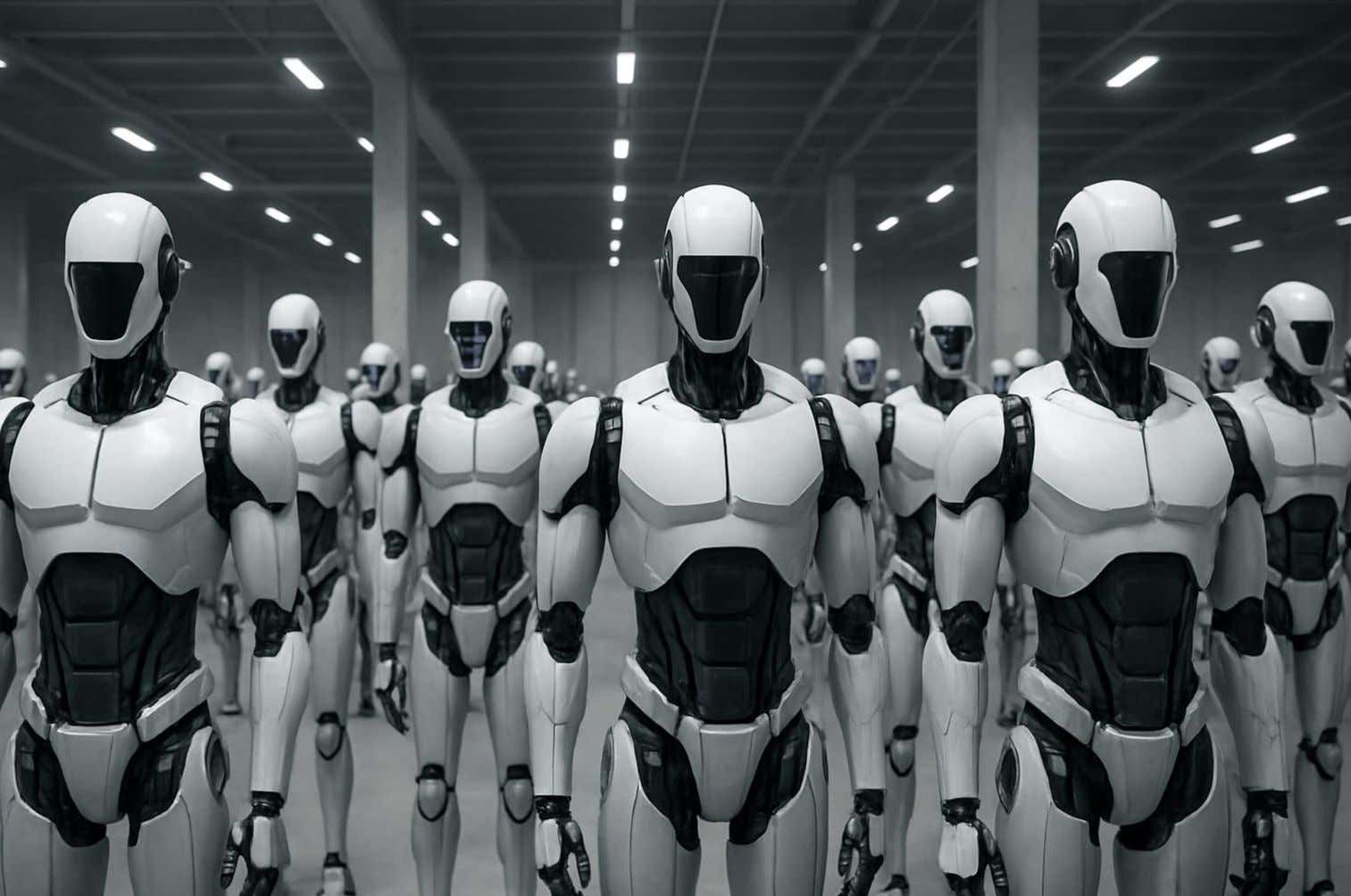
Sadly, and worse, those using this same technology in the workplace will also be effectively replaced by humanoids, which are the material and human form of AI. So, don't be quick to celebrate your smartness because you can do the job with AI; cut it, because full automation is coming. If there are no policies in place to enforce human employment, a multi-billion company can be run by only the owner or, at most, very few individuals. And don't worry about the marketing, software engineering, cybersecurity, and every other department; humanoids will be there. You may probably argue that it is not possible, but don't you think an AI that can teach you engineering is an engineer?
So what does the future hold for us? First, I must emphasize that everything said so far is not to compare AI with our kind, neither to reduce us nor to instigate hate for the tech. There are so many fantastic breakthroughs we have gotten since the development of the technology. We have witnessed jumps in green and renewable energy, agriculture, health and medicine, engineering, and the list goes on.
We have so many unsolved problems that AI may help with. Examples include food shortages, pandemic prevention, climate change, cancer cures and other diseases, surgical operation and transplantation perfection, and improving human longevity, to mention but a few. So, the future is bright!
Furthermore, we need policies around human and AI coexistence, particularly in the job market. A lot of people fear replacement. To illustrate, if a thousand staff are let go because of automation from a company X and cannot secure another job in company Y or Z, what happens to them? How do they survive (probably through photosynthesis)? Isn't their right to life undermined? So, if there should be no work because of automation, then there should be free food, accommodation, electricity, and so on.
Finding Balance
The path forward isn't about rejecting AI or blindly embracing it. It's about thoughtful integration, robust policies, and ensuring that technological progress serves humanity rather than displaces it. We must design a future where automation enhances our capabilities while preserving our dignity and purpose.